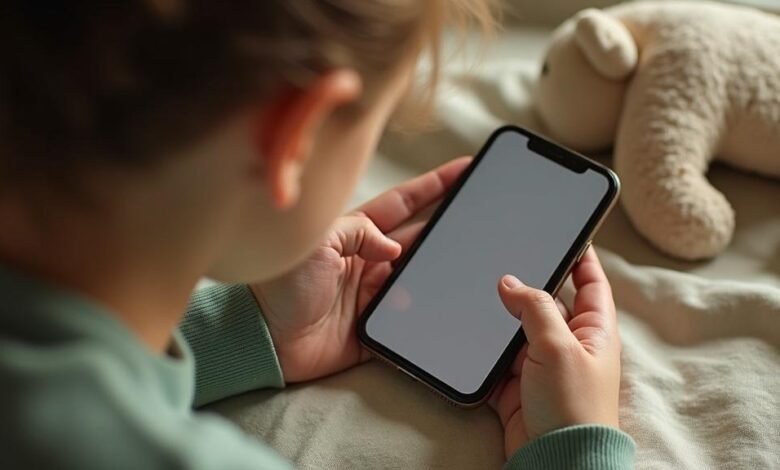
A parent sits in a pediatric waiting room with a three-year-old who has a speech delay and a six-month waitlist for local therapy. The question is not whether to use an app. The question is which one is actually worth downloading.
These picks are grouped by what they do best, not ranked against each other.
For Kids Who Need a Real Practice Partner (Not Just Drills)
1. Little Words
Buddy is an AI character who holds actual conversations with a child. He listens, responds, remembers the child’s name, and adjusts to what the kid cares about. That matters because most speech apps are glorified flashcard decks. Little Words is not.
Before each session, Buddy checks the child’s mood and dials his energy up or down accordingly. A child who is overwhelmed gets a gentler pace. One who is raring to go gets adventure worlds: Space, Ocean, Dinosaur, Forest. Games like “Voice Maze” and “What’s That Sound” bake pronunciation practice into play rather than labeling it as work. Buddy never marks an answer wrong. He just models the correct sound and keeps going.
Parents get a dashboard, weekly shareable progress cards, and SLP-style PDF reports that a therapist can actually read. You can set target sounds (s, r, l, sh, th) directly in settings, so practice lines up with whatever the child is working on in real therapy. Sessions run 5 to 20 minutes. There are no ads and no data sold. COPPA compliant.
Designed for ages 2 to 8, including kids with autism, ADHD, apraxia, and sensory sensitivities. Sensory presets let you keep things calm if a child is prone to overwhelm. Free trial available, then subscription pricing.
Honest caveat: it is a practice tool, not a clinical service. It does not replace a licensed SLP.
See also: Intelligent Tech Network 9093759675 Optimization
For Structured Articulation Work
2. Speech Blubs
Voice-controlled and built around 1,500-plus activities targeting articulation, vocabulary, and mouth movement. Popular with families managing apraxia, autism, and ADHD. Around $14.49 a month or $59.99 a year, with a lifetime option at $99.99.
3. Articulation Station (Little Bee Speech)
Developed by certified speech-language pathologists. Over 1,200 target words across the consonant sounds most commonly treated in therapy. The Pro version is about $59.99 one-time, which makes it a reasonable long-term buy for a family already paying for in-person therapy and wanting home practice that mirrors it.
For Kids With Significant Support Needs
4. Otsimo
Designed specifically for children with autism, apraxia, Down syndrome, and non-verbal communication needs. It uses AI-generated feedback across 200-plus exercises. Pricing is among the more accessible in this space: around $6.99 a month, $4.49 a month on an annual plan, or $115.99 for lifetime access.
5. Tactus Therapy Apps
Tactus makes a suite of clinical-grade apps, each priced separately from about $9.99 to $99.99. The apps were designed alongside SLPs and are detailed enough that some therapists assign them as homework. Worth looking at if a child already has a formal treatment plan and the therapist recommends a specific module.
For Older Kids and Language Confidence
6. Constant Therapy
Evidence-based, covers a wider age range than most, and addresses both speech and language targets. Aimed more at school-age and above. Often recommended in clinical settings.
7. Hallo (Language Practice AI)
Less about articulation, more about spoken language confidence. If an older child is bilingual or learning a second language and needs low-stakes conversation practice, this fills a gap the therapy-focused apps ignore.
Free and Low-Cost Starting Points
8. ASHA Resources (American Speech-Language-Hearing Association)
The ASHA website offers free milestone checklists, parent guides, and activity suggestions drawn from clinical standards. Not an app, but a credible first stop before spending anything.
9. Library Apps
Many public library systems provide free access to early literacy and language apps through the Libby or Sora platforms. Worth checking before buying.
10. Teletherapy (Expressable and Similar)
This belongs on the list. Apps are practice. Licensed SLPs are treatment. Teletherapy services like Expressable connect families with credentialed therapists remotely, often with faster availability than local waitlists. Some insurance covers it. For any child with a diagnosed delay, this is the floor, not the ceiling.
A Quick Note
None of these apps diagnose or treat a speech disorder. They support practice between professional appointments, or help a family bridge a waitlist gap. A licensed speech-language pathologist is still the right person to assess a child and set goals.
Common Questions
Can Little Words or Speech Blubs actually replace sessions with a speech therapist?
No, and neither app claims otherwise. Little Words explicitly positions Buddy as a practice partner between appointments. Speech Blubs is structured drilling, not clinical assessment. Both work best when a licensed SLP has already identified which sounds or skills a child needs to target, and the app reinforces that work at home.
At what age is it worth starting a talking app, and does that differ by app?
Little Words is designed for ages 2 to 8, so it starts younger than most. Speech Blubs and Otsimo also work with toddlers. Constant Therapy skews toward school-age and older. For children under two, ASHA milestone checklists are a better starting point than any app, because the priority there is knowing whether to seek evaluation.
If my child has apraxia specifically, which of these apps is built for that diagnosis?
Speech Blubs, Otsimo, and Little Words all list apraxia among their intended use cases. Articulation Station is built around the consonant sounds most commonly treated in apraxia therapy and was developed by certified SLPs. No single app covers every child’s presentation, so what your child’s therapist recommends for home practice carries more weight than any general list.
Is Otsimo actually cheaper than the other paid options, or does that pricing come with limits?
At $4.49 a month on an annual plan, Otsimo is among the lower-priced options here. Speech Blubs runs $59.99 a year and Articulation Station Pro is $59.99 one-time. Whether Otsimo’s 200-plus exercises cover what a specific child needs depends on their diagnosis and goals. The pricing is genuinely lower, but lower cost and best fit are separate questions.
Do any of these apps share a child’s voice recordings or data with third parties?
Little Words states it does not sell data and is COPPA compliant, meaning it meets federal standards for children’s privacy online. For the other apps, COPPA compliance and data practices are listed on their respective App Store pages and privacy policies. It is worth reading those directly before downloading, especially for any app that records a child’s voice.
Sources
- American Speech-Language-Hearing Association (ASHA), asha.org, consumer-facing parent resources
- App Store and Google Play product pages for Speech Blubs, Articulation Station, Otsimo, Tactus Therapy, Constant Therapy (pricing and feature descriptions, verified publicly)
- Expressable teletherapy, expressable.com, public service information
- COPPA (Children’s Online Privacy Protection Act), public COPPA guidance/coppa, compliance definitions